Skin Irritation in Dogs: Holiday Hazards That Cause Problems
Posted - May 8, 2020

When the holidays roll around, the last thing pet parents need to deal with is skin irritation in dogs. No one wants to add “vet visit” to their holiday to-do list. However, statistics show that visits to veterinarians for skin problems tend to increase in the winter months, even after trees have shed their leaves.
From scented candles and pine trees to table scraps and artificial snow, many holiday staples introduce new allergens, fragrances, and chemicals into your dog’s environment. These irritants can disrupt the skin barrier, trigger yeast overgrowth in the ears, or cause inflammation that leads to discomfort. The good news? Most holiday-related skin and ear issues can be minimized, or even avoided entirely, with a bit of awareness and preparation.
In this article, we’ll walk through the most common holiday hazards that can cause skin irritation in dogs, the early signs to watch for, and simple ways to keep your dog comfortable all season long, even when the holidays are in full swing.
Holiday Hazards That Commonly Trigger Skin Irritations in Dogs
Did you ever wonder if scented candles are bad for dogs? The answer is simple: Yes, scented candles can be problematic to pets. Though they create a warm ambience and set the tone for holiday fun, scented candles, wax melts, and essential oil diffusers often trigger skin irritation in dogs.
Artificial fragrances and concentrated oils often contain compounds that are irritating to a pet’s sensitive skin and respiratory system. You may notice your dog itching, sneezing, or scratching more. Sometimes, the discomfort can lead to ear issues.
Other holiday hazards that can cause skin issues in your dog include:
- Artificial Christmas trees and decorations
- Pine needles and sap from real holiday trees
- Tinsel, ribbon, and garland
- Holiday plants
- Rock salt and ice melt products
- Improper shampoos
- Increased indoor heating
- Stress and routine changes
By identifying potential triggers and taking preventative steps, you can reduce the risk of skin irritation in your dog. Pay close attention to your dog’s behavior, as they can’t tell us when something is annoying; more about that in the next section.
Early Signs of Holiday-Related Skin and Ear Issues
The holidays bring with them new scents, foods, and decorations that can quickly irritate a dog’s skin or ears, even if they’ve never had issues before.
What Are Early Signs of Skin Irritation in Dogs?
Catching symptoms early can help you stop minor issues before they turn into painful infections or long-term skin problems.
Typical early signs include:
- Excessive paw licking
- Rubbing the face on carpet, blankets, or furniture
- Dry patches or hot spots
- Redness or flaking
- Sudden or increased shedding
- Head shaking or persistent ear scratching
- Ear odor or visible wax buildup
- Tail-base itching or chewing near the rump and back legs
How Do I Know If My Dog's Itching Is From Allergies?
Understanding whether your dog is itching from seasonal or holiday allergies is imperative because removing the source is often curative.
Signs that suggest allergy-related itching include:
- Symptoms appearing suddenly after exposure to new items or foods
- Itching focused on paws, face, ears, belly, or armpits
- Redness or inflammation in affected areas
- Persistent scratching that does not improve with moisturizing
- Worsening symptoms after decorating, burning scented candles, or offering holiday treats
Prevention Strategies For Healthy Holiday Skin in Dogs
While the holidays present numerous challenges to your pet's skin and ear health, a few proactive steps can make all the difference in keeping your dog comfortable and irritation-free throughout the season.
Keep Holiday Décor Pet-Safe
Holiday décor often introduces unexpected irritants, especially artificial Christmas trees coated in dust or chemicals, as well as real trees that shed pine needles and sticky sap. Both can cling to your dog’s coat or paws, causing redness or itching.
Tinsel, ribbon, and garland can also irritate the skin if chewed or brushed against repeatedly. Choose unscented or soy-based candles; avoid aerosols when pets are nearby; wipe down artificial trees; rinse real trees before bringing them indoors; and secure all wires and décor your dog may bump into.
Use Smart Seasonal Grooming Habits
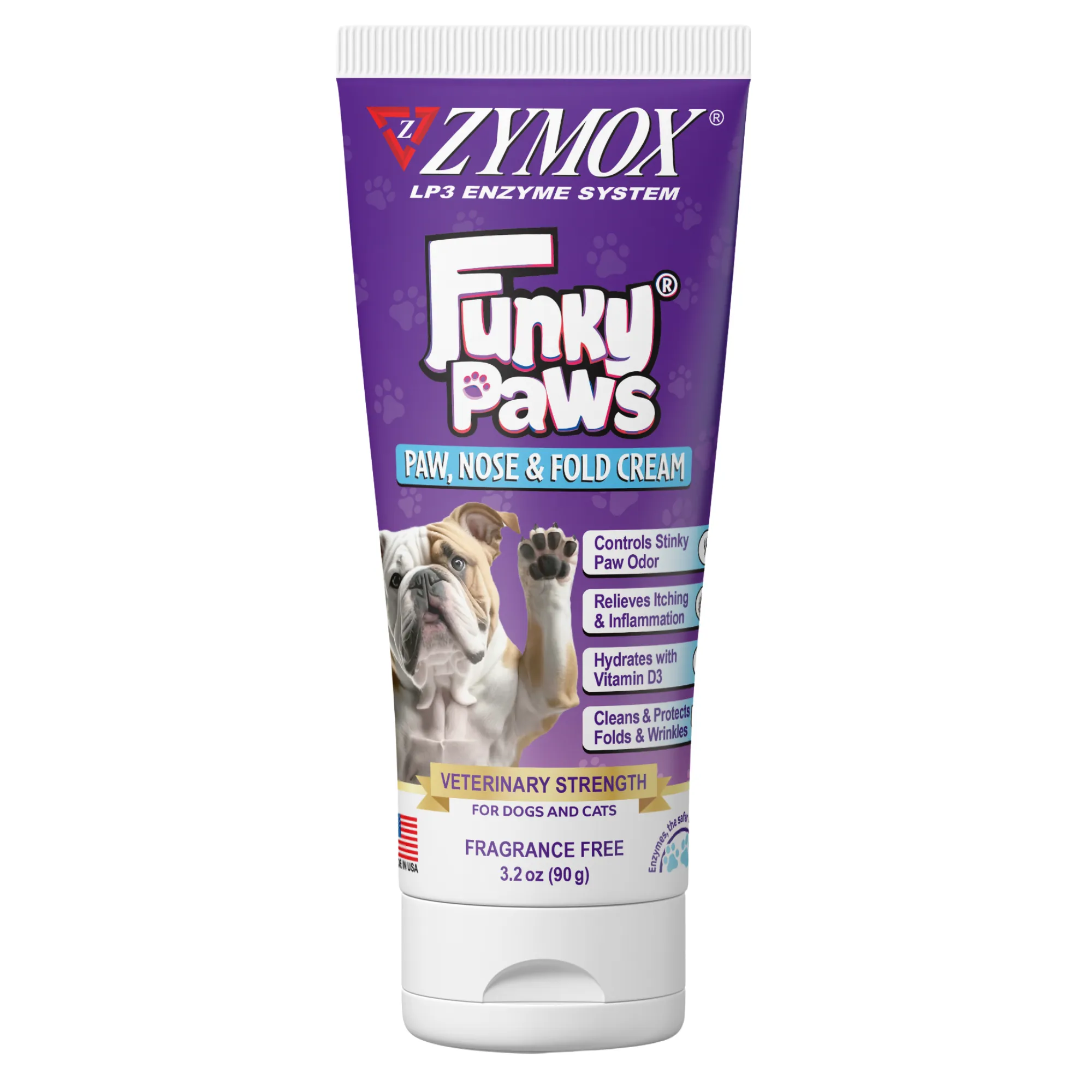
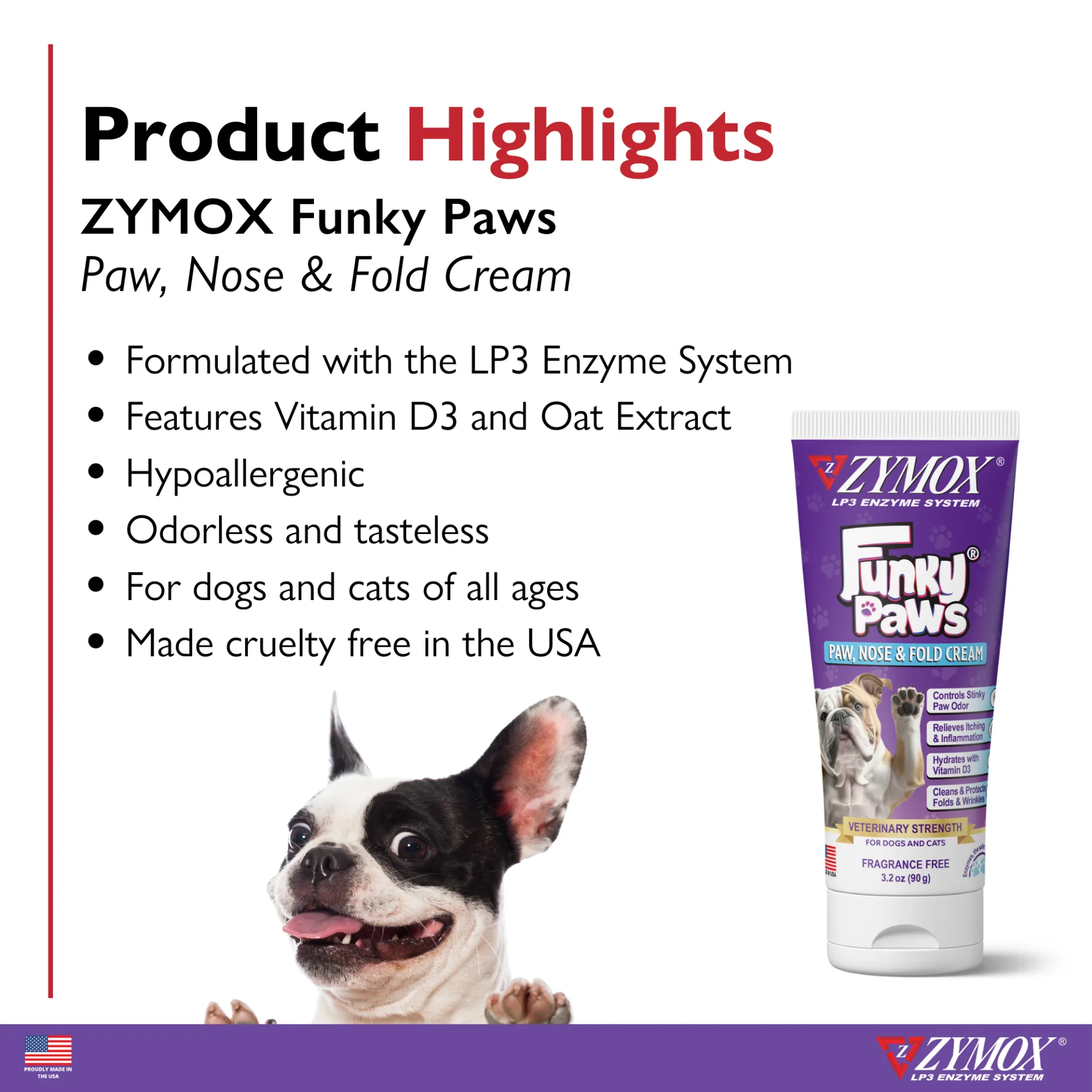
Wipe your dog’s paws after walks, decorating, or time outside near rock salt or ice-melt products, which can cause painful cracking. Keep ZYMOX’s Funky Paws on hand to help soothe paws, noses, and skin folds.
Brush your dog more frequently to remove pine needles, dust, and dander. Bathe only when needed using gentle, pet-safe products such as ZYMOX Enzymatic Shampoo and ZYMOX Enzymatic Leave-In Conditioner, which support skin health without stripping moisture. Avoid harsh or heavily scented shampoos, as they may worsen irritation.
Implement Food Rules
Only offer pet-safe treats and avoid holiday table scraps, which often contain fats, spices, or dairy that can worsen inflammation and contribute to skin or ear flare-ups. Make sure trash is secure to prevent curious pups from accessing foods or wrappers that might trigger allergic reactions. All visitors should be aware not to feed scraps or treats to your dog without permission.
Support Ear, Skin, and Paw Health Gently
Winter heating can dry out your dog’s skin and ears, and holiday stress or routine changes may further weaken the skin barrier. Daily checks of paws, skin, and ears help you spot early irritation.
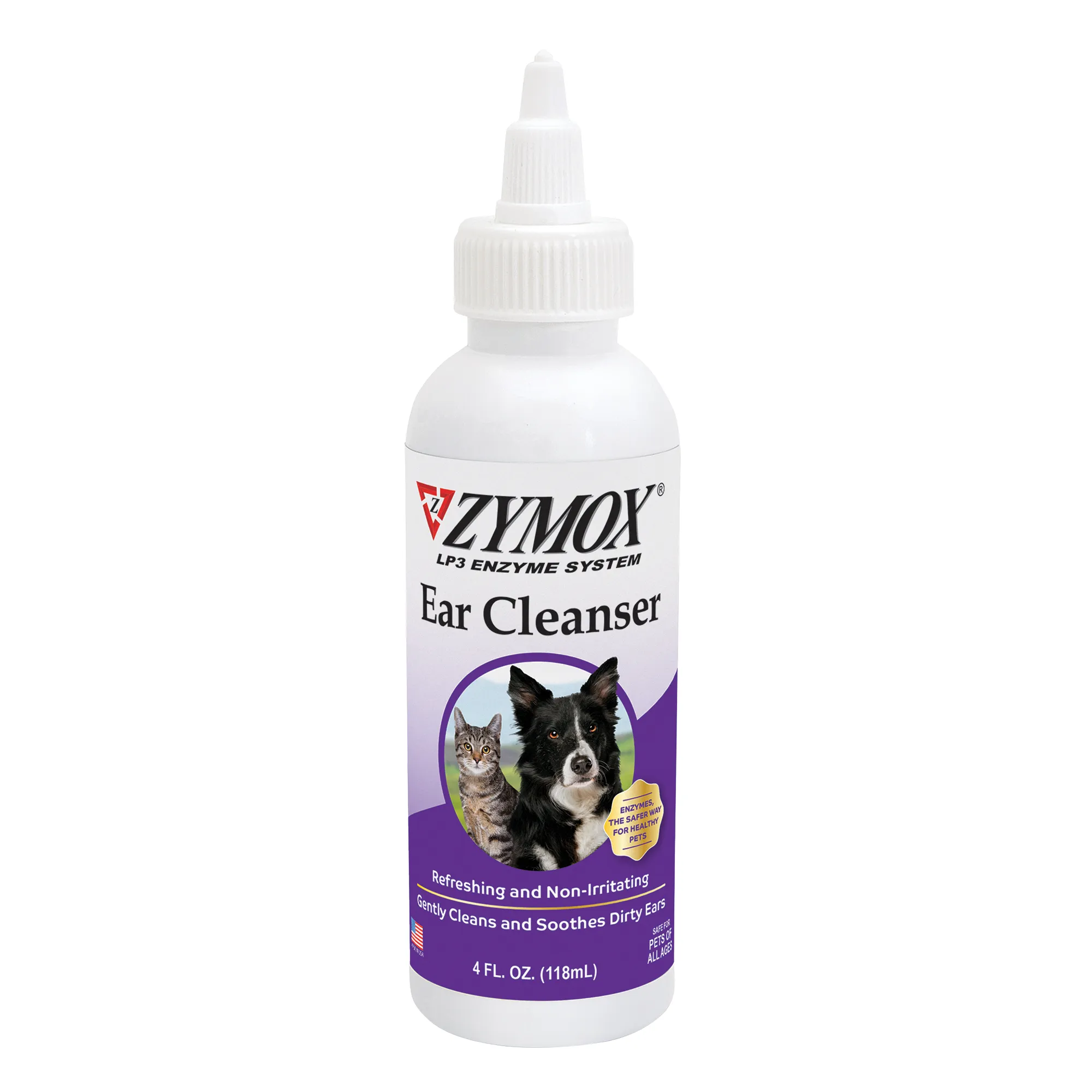
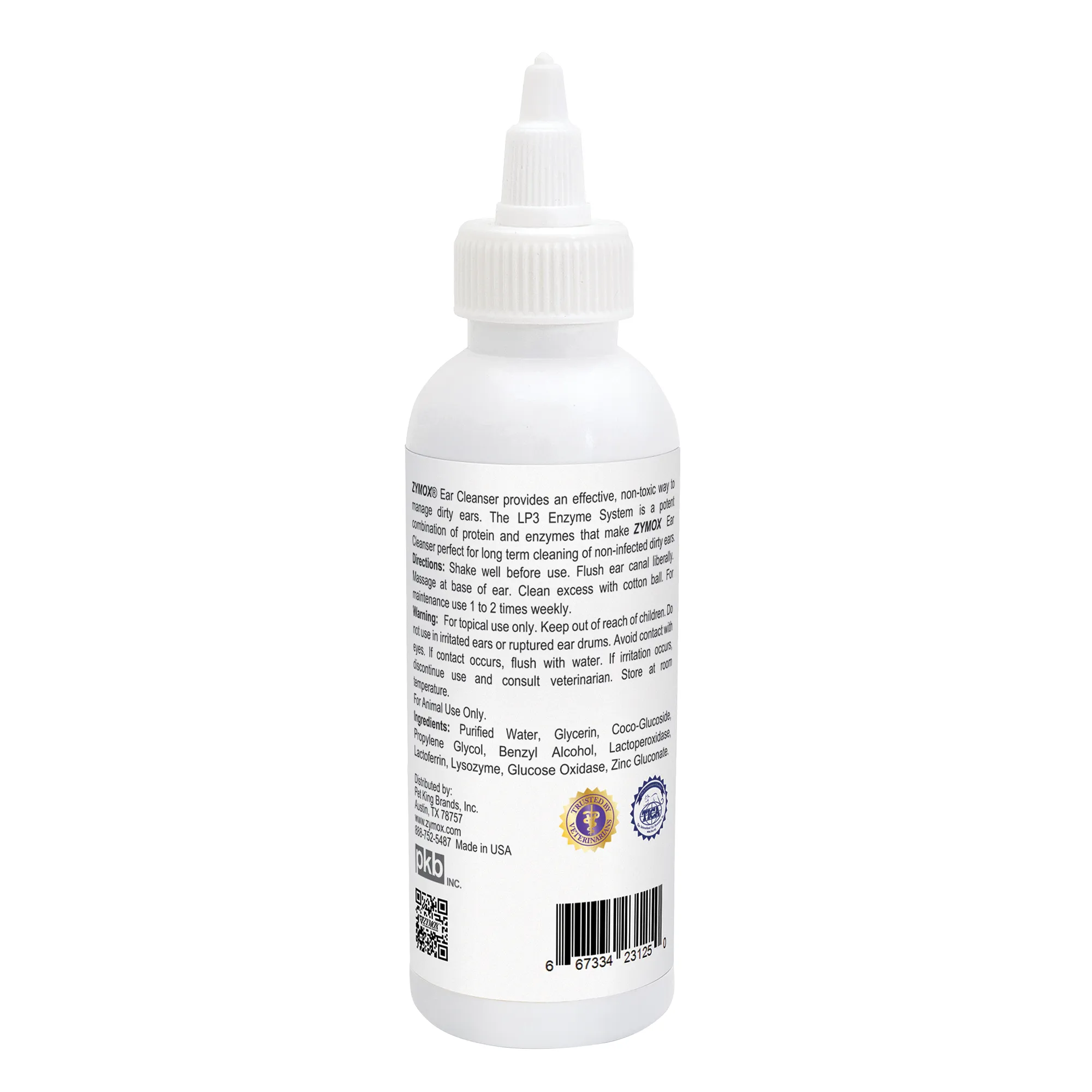
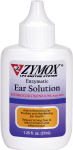
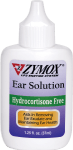
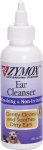
Clean ears regularly with ZYMOX Ear Cleanser and use ZYMOX Ear Solutions if you notice discomfort. Keep ZYMOX Topical Cream or Spray on hand for mild hot spots, redness, or irritation. The LP3 Enzyme System provides gentle, effective support without harsh chemicals and is ideal for preventing minor issues from becoming bigger problems.
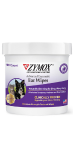
Which ZYMOX Ear Product Should be Used?
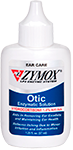 | 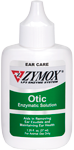 | 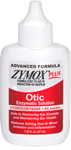 | 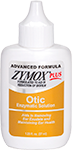 |  |  |  |  | |
| Product | Otic Blue | Otic Green | Otic Plus Red | Otic Plus Yellow | Ear Solution with HC. | Ear Solution | Ear Cleanser | Ear Wipes |
| Hydrocortisone | 1.0% | 0% | 1.0% | 0% | 0.5% | 0% | 0% | 0% |
| Exudate |  | | | | ||||
| Lives in Humid Climate or Swims | | | | | | | | |
| Exotics or Pregnant/Lactating | | | | | | |||
| Allergies | | | | | | | ||
| Itchy, Smelly Ears | | | | |||||
| Occasional Ocurrences | | | ||||||
| Maintenance/Prevention | | | | | ||||
| Dirty Ears | | | ||||||
| Inflammation | | | | |||||
| Persistent, Recurring | | |
FAQs About Preventing Skin Irritation in Dogs
How can I prevent skin irritation in dogs during the holidays?
Keep décor pet-safe, wipe paws after walks, use gentle grooming products, and avoid scented candles. Regular skin checks and ZYMOX Shampoo, Ear Cleanser, and Topical Cream help protect against holiday triggers.
What helps soothe skin irritation in dogs once it starts?
For mild irritation, use ZYMOX Topical Cream with 0.5% hydrocortisone with the LP3 Enzyme System to soothe skin without harsh chemicals. If irritation worsens, consult your veterinarian.
Can holiday decorations cause itching or ear flare-ups in dogs?
Yes. Trees, pine needles, tinsel, and holiday plants can carry dust, mold, or chemicals that trigger itching. Keep décor clean and out of reach.
Why do my dog's paws get dry or cracked during winter?
Rock salt, ice melt, pine needles, and dry indoor heat irritate paws. Wipe paws after walks, check between toes daily, and use gentle cleansers to prevent cracking and yeast overgrowth.
Bottom Line on Skin Health in Dogs
The skin is your dog’s largest organ, so it must be treated with the utmost care. By staying aware of common triggers, closely monitoring your pet's skin and ears, and maintaining a consistent care routine with trusted ZYMOX products, you can help your pet enjoy the season just as much as you do. Happy holidays to all!