
How to Help Outdoor Pets and Wildlife During Freezing Weather
Posted - January 27, 2026
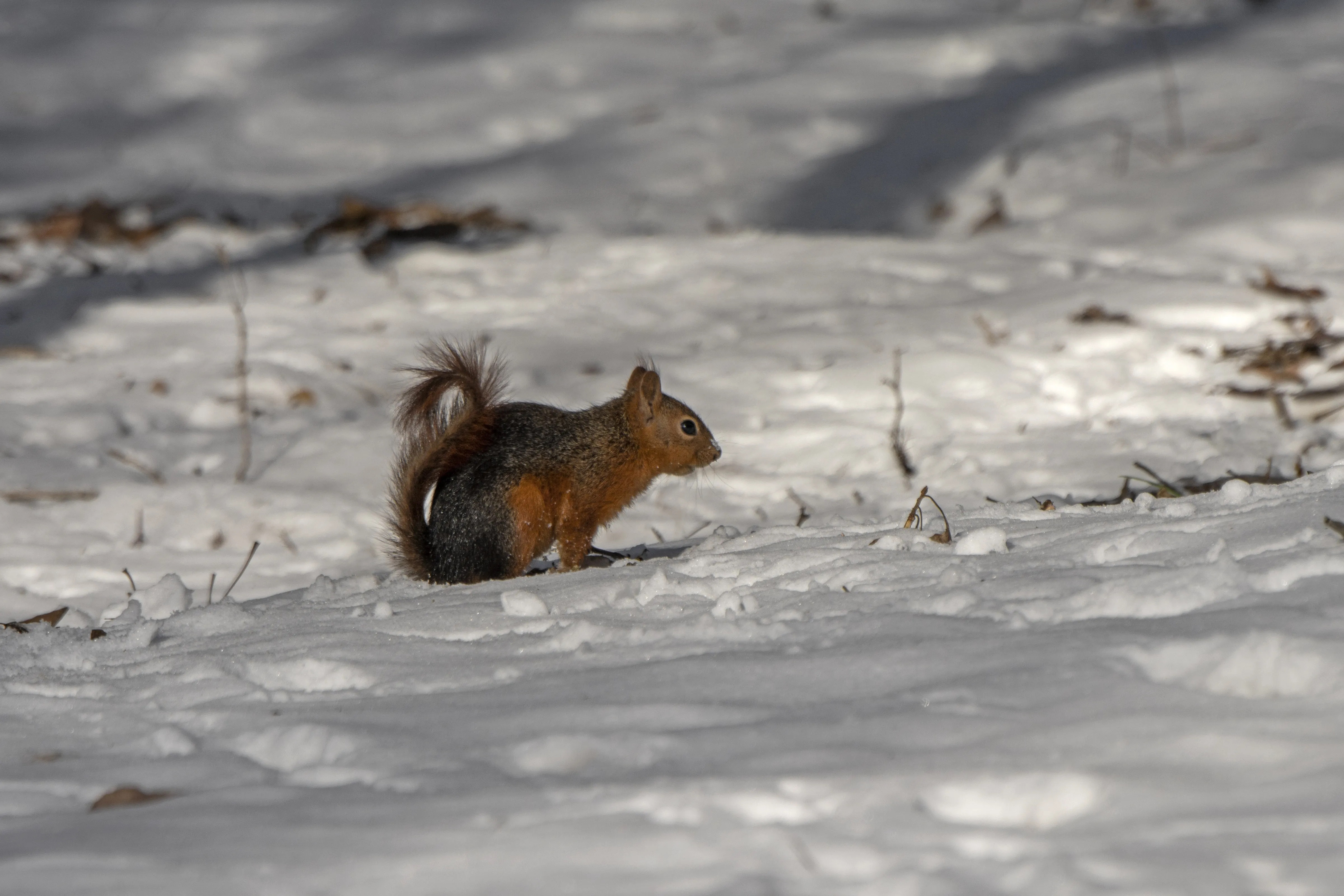
Recent winter storms across the U.S. have brought freezing temperatures to many areas that are not used to prolonged cold. Freezing temperatures can be especially hard on wildlife and pets that can’t be brought indoors. A few simple steps can help protect the animals that share our communities and keep them safe during extreme cold.
Provide Warm Shelter for Outdoor Pets and Wildlife
Outdoor cats and other small animals need protection from wind, moisture, and freezing temperatures. You can create a simple ‘DIY’ shelter using a plastic storage bin, cooler, or sturdy box. Cut a small entrance, raise the shelter a few inches off the ground using bricks or a small platform to keep it dry, and line the inside with straw, which stays dry and provides insulation. Place the shelter in a quiet area, shielded from the wind, so animals have a safe, warm place to stay.
Be Aware of Vulnerable Wildlife Like Opossums
Some wildlife, including opossums, are especially sensitive to freezing temperatures. Unlike many mammals, opossums have limited fur coverage and can suffer frostbite on their ears, tails, and feet. During cold snaps, they may seek shelter near homes, garages, or under porches, so keep an eye out and allow space for them to find safety.
Check Common Hiding Spots
Cats, raccoons, and squirrels often look for warmth in car engines or wheel wells. Before starting your vehicle, tap the hood or honk the horn to give animals a chance to move safely.
Offer Food and Fresh Water
Cold weather increases calorie needs. If it is safe to do so, provide extra food for outdoor cats or wildlife, and check water bowls frequently to replace frozen water. Using smaller dishes makes it easier to refresh the water often and notice when it has frozen.
Support Birds During Freezes
Birds struggle to find food and water during cold snaps. You can help by providing feeders and unfrozen water sources in sheltered areas. This small effort can make a meaningful difference.
Watch for Cold-Stunned Sea Turtles in Coastal Areas
In coastal regions across the U.S., sudden drops in water temperature can cause sea turtles to become cold-stunned, leaving them lethargic or stranded. If you encounter a turtle, do not return it to the water. Keep your distance and contact local wildlife authorities or rescue organizations so trained professionals can respond safely.
Extreme cold affects more than just pets. It can impact entire ecosystems. Taking small, thoughtful steps during winter weather helps protect the animals that share our communities when they need it most.


